Profitability Study for mFRR
Is your CHP plant missing out on one of the biggest value shifts in the European energy landscape?
Traditional Combined Heat and Power (CHP) utilities are facing a perfect storm. High and volatile fuel prices, intense competition from large-scale heat pumps in the building sector, and cannibalized baseload electricity prices from surging wind and solar are squeezing traditional margins.
But where there is volatility, there is opportunity.
By shifting focus from pure baseload generation to flexibility, CHP operators can turn grid volatility into a highly profitable business model. Participation in energy capacity and activation markets for ancillary services like mFRR is no longer just an option; it is often an economic necessity.

Some examples of why ancillary service markets are one of the new lifelines for CHPs in the Nordics and Europe:
🔹 New, Non-Spot Revenue Streams: Capacity markets pay you simply to stand by. Activation markets reward you generously when you respond. This decouples a portion of your revenue from volatile wholesale electricity spot prices.
🔹 The Power-to-Heat Synergy: By pairing CHPs with electric boilers, heat pumps, batteries and thermal storages, utilities can play both sides of the market. Consume cheap or negative-priced renewable electricity to heat buildings, or ramp up the CHP to sell premium balancing power when the wind stops blowing.
🔹 Cross-Border Scalability:With European platforms like MARI and Picasso expanding, the market for balancing power is becoming more integrated, liquid, and accessible than ever before.
The winners of tomorrow
The utilities winning tomorrow are not those trying to out-compete heat pumps on pure heat production cost. They are the ones adapting to the new situation, finding new ways collaborate (sector-coupling and business models), investing in, or utilizing untapped, flexibility in their energy system, while at the same time helping to stabilize the grid and securing predictable, high-margin revenues.
How is your utility adapting its trading strategy to leverage ancillary services this year? What is your take on profitability for ancillary service markets today and further ahead?
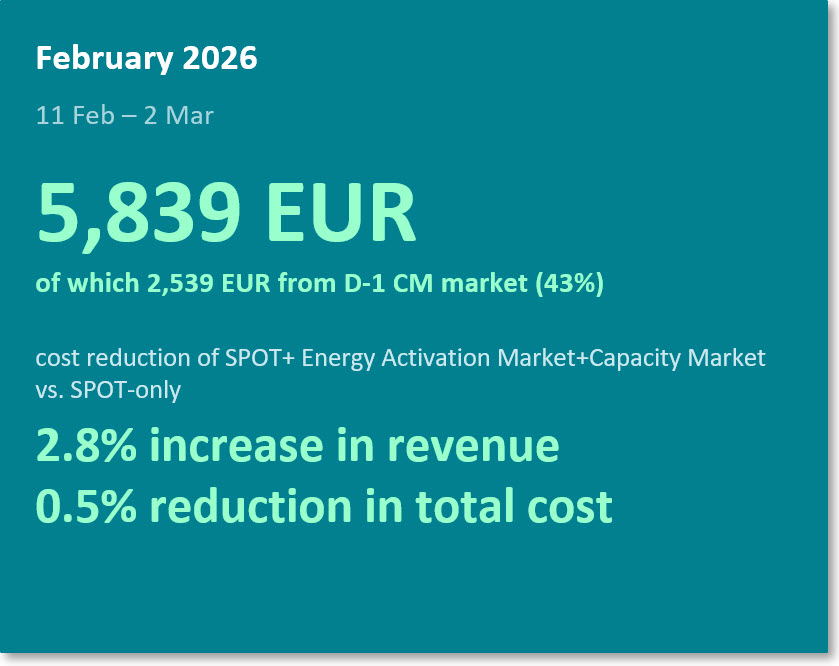
See below the results a profitability study that Energy Opticon did for a Swedish utility.
mFRR Capacity Market and Energy Activation Market profitability study for a CHP in Sweden
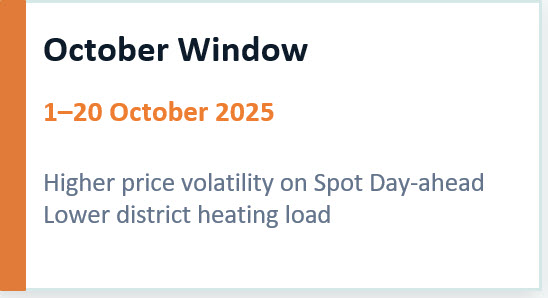
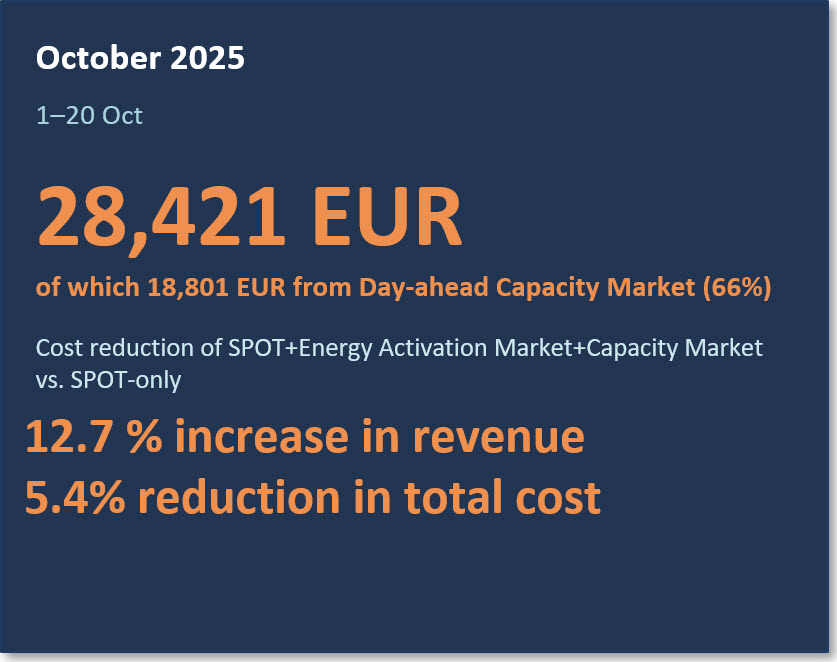
Period for case study: October 2025 and February 2026
Annual heat production: Approx. 300 GWh
Annual electricity production: Approx. 71 GWh
Production plants: Bio CHPs, wind- and solar power, battery storage
Unit: Steam turbine, ± 1 MW
Restrictions: Min/max power
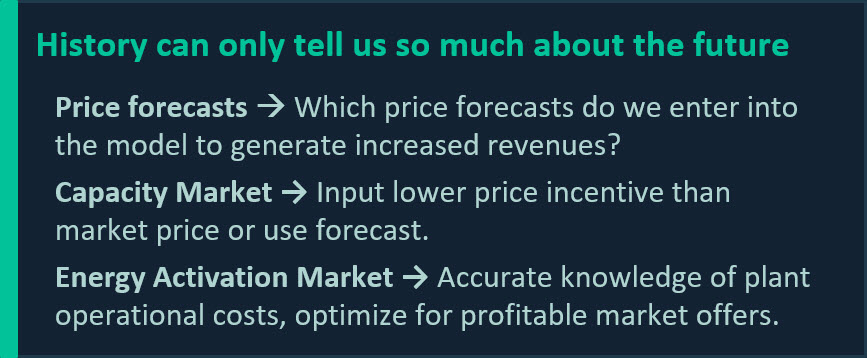
Input: Price forecasts
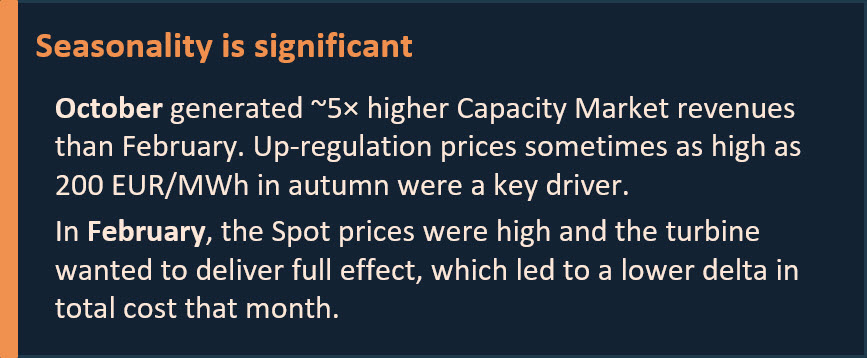
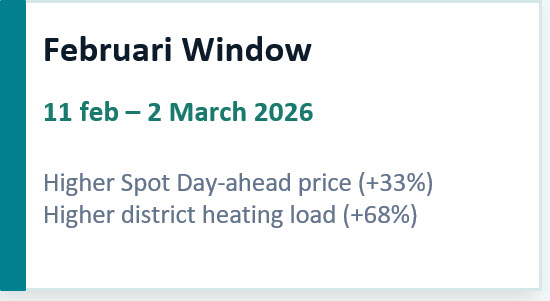
Seasonal variations – different conditions for profitability
Methodology – Connecting Capacity Market ↔ Energy Activation Market
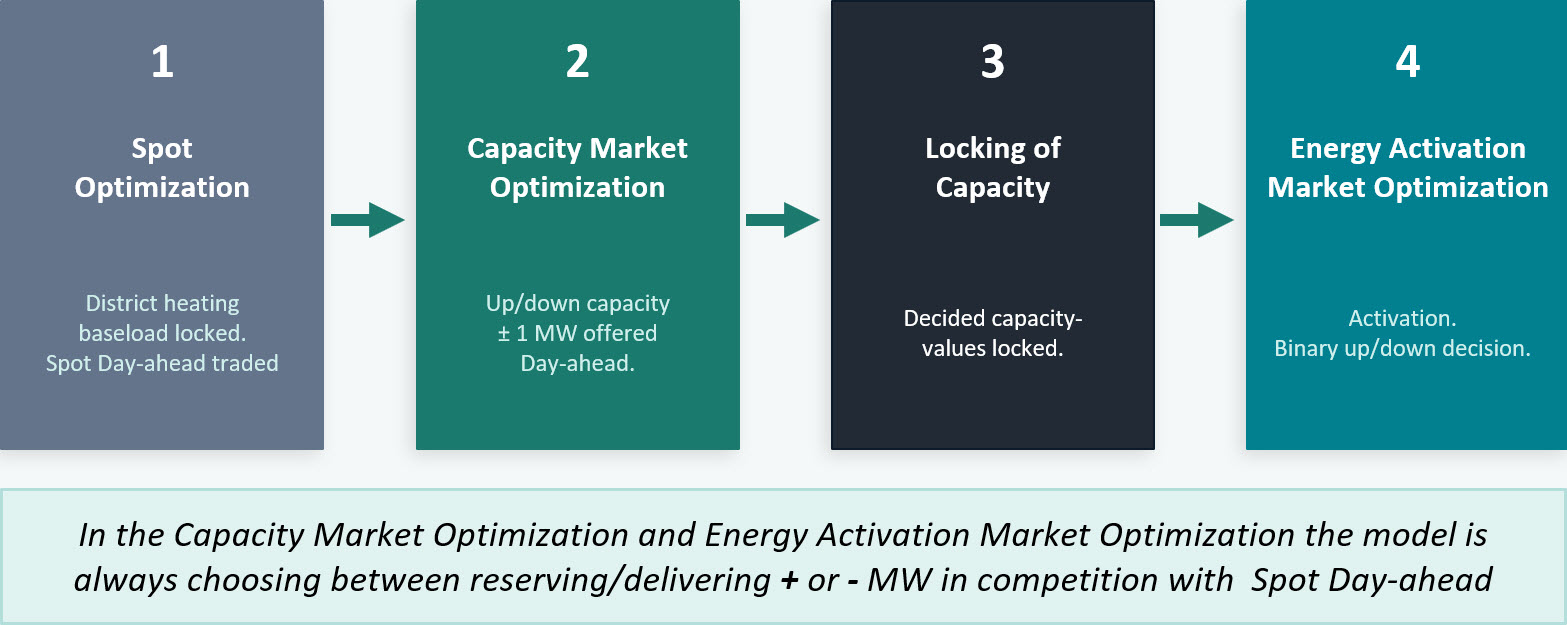
Energy Activation Market down regulation prices can be fed to the model as the delta between the Spot Day-ahead and the Energy Activation Market down regulation price.
Results from the two 20-day optimization windows.
Conclusions & Implications